
Montessori education is more than a method, it’s a foundation for life. By focusing on the whole child, Montessori nurtures not only academic skills but also the confidence, independence, and curiosity children need to thrive in the real world. Here’s how Montessori helps prepare your child for success far beyond the classroom.
1. Academic Readiness Through Hands-On Learning
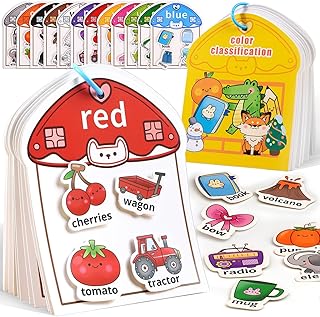
Montessori classrooms replace rote memorisation with hands-on experiences. Children learn math with beads and number rods, explore language through tactile letters, and discover science through real-life experiments. This concrete approach builds deep understanding and retention skills that last a lifetime.
2. Social-Emotional Growth
Montessori places a strong emphasis on grace, courtesy, and empathy. Children in mixed-age classrooms learn to help one another, resolve conflicts peacefully, and respect differences. These social skills prepare them to collaborate effectively in school, work, and relationships.
3. Independence and Self-Discipline
From pouring their own drinks to choosing their own work, Montessori students develop the ability to make decisions and take responsibility for their actions. This self-reliance fosters confidence and builds the internal discipline needed to manage challenges and meet goals.
4. Critical Thinking and Problem-Solving
Montessori education encourages children to ask questions, test ideas, and explore solutions. Whether they’re figuring out a math equation or planning a group project, they learn to think critically and creatively—skills essential in an ever-changing world.
5. A Love for Lifelong Learning
Perhaps the greatest gift of Montessori is the joy it brings to learning. When education is driven by curiosity and personal interest, children become motivated to explore, discover, and grow not because they have to, but because they want to.
Trusted Montessori Education Reference for Parents
The American Montessori Society (AMS) is a globally recognized authority that supports authentic Montessori education. AMS provides school accreditation, teacher training, and trusted educational standards to ensure children receive high-quality learning experiences. Their guidelines focus on developing independence, confidence, and critical thinking skills that prepare children for lifelong success.
Parents can use AMS as a reliable reference when choosing Montessori schools or understanding how Montessori education benefits their child’s academic and personal growth. Following AMS standards ensures your child receives an education designed to prepare them for real-world challenges.
Conclusion
The benefits of Montessori go far beyond academics. By developing the mind, heart, and spirit, Montessori equips children with the skills they need to succeed in school, in relationships, and in life. It’s not just an education it’s preparation for the future.
FAQs:
1. My child struggles with traditional learning. Can Montessori help?
Yes. Montessori uses hands-on materials instead of memorization, helping children understand concepts through experience. This approach improves focus, confidence, and long-term academic success.
2. How does Montessori help build my child’s confidence?
Montessori encourages children to complete tasks independently, make choices, and solve problems. These experiences help children trust their abilities and develop strong self-confidence.
3. Will Montessori help my child develop social skills?
Yes. Montessori classrooms teach respect, cooperation, and empathy. Children learn to work together, communicate clearly, and resolve conflicts peacefully.
4. Can Montessori improve my child’s problem-solving skills?
Montessori encourages children to explore, ask questions, and find solutions on their own. This helps develop critical thinking and decision-making skills needed for real-life situations.
5. Is Montessori effective for long-term success?
Yes. Montessori builds independence, responsibility, and a love for learning. These skills help children succeed in school, careers, and personal life.
6. Does Montessori prepare children for the real world?
Absolutely. Montessori teaches practical life skills, responsibility, and independence, helping children become capable and confident individuals.