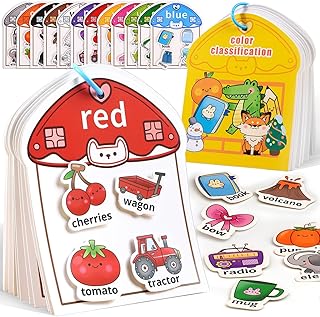

Stepping into a Montessori classroom feels different from a traditional school setting. The space is calm yet buzzing with purposeful activity. Materials are neatly arranged on low shelves, children move freely and work independently, and the teacher known as the “guide”, observes more than she instructs. In this tour, we’ll walk you through each area of a Montessori classroom and how it supports a child’s development.
1. Practical Life Area
This is where children practice real-world skills that foster independence and coordination.
Examples of Activities:
- Pouring water between pitchers.
- Buttoning and zipping on dressing frames.
- Sweeping and cleaning tables.
Developmental Benefits: Builds fine motor skills, concentration, and responsibility.
2. Sensorial Area
Here, children refine their senses sight, touch, sound, taste, and smell through carefully designed materials.
Examples of Activities:
- Pink Tower for size discrimination.
- Color tablets for shade matching.
- Sound cylinders for auditory comparison.
Developmental Benefits: Lays the foundation for logical thinking and problem-solving.
3. Language Area
Montessori language lessons start with phonetic awareness and progress toward reading and writing.
Examples of Activities:
- Sandpaper letters for tactile learning.
- Moveable alphabet for building words.
- Storytelling and vocabulary enrichment games.
Developmental Benefits: Strengthens communication skills, literacy, and creative expression.
4. Mathematics Area
Math concepts move from concrete to abstract using hands-on tools.
Examples of Activities:
- Number rods for quantity recognition.
- Golden bead materials for place value and operations.
- Bead chains for multiplication and skip counting.
Developmental Benefits: Encourages deep understanding of math through visual and tactile learning.
5. Cultural Studies Corner
This area opens the world to children through geography, science, history, art, and music.
Examples of Activities:
- Puzzle maps of continents and countries.
- Science experiments like sink-and-float activities.
- Art inspired by different cultures.
Developmental Benefits: Fosters curiosity, global awareness, and respect for diversity.
6. Outdoor Learning Spaces (if available)
Montessori extends beyond the walls of the classroom.
Examples of Activities:
- Gardening and caring for plants.
- Nature walks for observation and exploration.
- Outdoor practical life work like sweeping patios.
Developmental Benefits: Connects children to nature, develops gross motor skills, and nurtures environmental stewardship.
Trusted Montessori Classroom Reference for Parents and Educators
When exploring Montessori classrooms, it’s important to follow standards set by trusted organizations like the American Montessori Society (AMS). AMS supports authentic Montessori education by providing accreditation, teacher training, and classroom guidelines that ensure children learn in well-prepared environments. Their standards help schools create classrooms that promote independence, hands-on learning, and healthy child development.
Conclusion
A Montessori classroom is more than a learning space it’s a carefully prepared environment that inspires curiosity, independence, and a love for learning. Each area works together to nurture the whole child mind, body, and spirit.
FAQs
1. Why does a Montessori classroom look different from a traditional classroom?
A Montessori classroom is designed to promote independence and self-directed learning. Instead of desks in rows, you’ll see open spaces, child-sized furniture, and organized shelves with hands-on materials. This setup allows children to move freely, choose activities, and learn at their own pace, which builds confidence and responsibility.
2. What is the role of the teacher in a Montessori classroom?
In Montessori education, the teacher is called a “guide.” Instead of constantly giving instructions, the guide observes each child, introduces materials when the child is ready, and supports their learning journey. This approach helps children develop independence and problem-solving skills.
3. How do Montessori materials help children learn better?
Montessori materials are hands-on and designed to teach one concept at a time. Children learn by touching, exploring, and practicing, which improves understanding and memory. These materials help develop motor skills, concentration, and critical thinking.
4. Can children really learn important academic skills through play and activities?
Yes. Montessori activities are carefully designed to teach reading, writing, math, and science through practical experiences. This method helps children understand concepts deeply instead of memorizing information.
5. How does the Montessori classroom support independence?
Everything in the classroom is accessible to children, including learning materials and tools. Children choose their work, complete tasks independently, and return materials to their place. This process builds responsibility, discipline, and self-confidence.
6. What age groups benefit from the Montessori classroom environment?
Montessori classrooms support children from infancy through adolescence. Each stage focuses on age-appropriate skills, helping children develop independence, academic ability, and social confidence.
7. Does the Montessori environment help with social development?
Yes. Children learn to respect others, work collaboratively, and solve problems peacefully. Mixed-age classrooms also encourage peer learning and leadership skills.