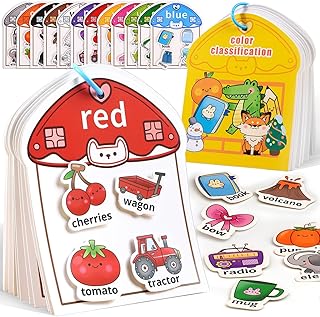

One of the most distinctive features of Montessori education is its carefully designed learning materials. These aren’t just classroom supplies—they are purposeful tools that turn abstract concepts into hands-on, concrete experiences. Each material is crafted to engage the senses, encourage exploration, and foster independent learning.
In this post, we’ll explore some of the most well-known Montessori materials, how they’re used, and why they’re so effective.
1. Practical Life Materials
Practical life activities help children develop independence, coordination, and concentration while practicing real-world skills.
Examples:
- Pouring jugs for water transfer.
- Dressing frames for buttoning, zipping, or lacing.
- Child-sized brooms, mops, and cleaning cloths.
Purpose: Builds fine motor skills, self-reliance, and a sense of responsibility.
2. Sensorial Materials
Sensorial work refines the five senses and lays the groundwork for math, language, and science learning.
Examples:
- Pink Tower for size and spatial awareness.
- Knobbed Cylinders for visual discrimination of size and shape.
- Sound Cylinders for developing auditory perception.
Purpose: Encourages observation, comparison, and classification skills.
3. Language Materials
Montessori language activities move from concrete to abstract, helping children build literacy in a natural, engaging way.
Examples:
- Sandpaper Letters for tactile letter recognition.
- Moveable Alphabet for building words before writing.
- Object and Picture Cards for vocabulary development.
Purpose: Strengthens phonetic awareness, vocabulary, and written expression.
4. Mathematics Materials
Math materials make abstract concepts tangible and easy to understand.
Examples:
- Number Rods for quantity and number sequencing.
- Golden Beads for place value and operations.
- Bead Chains for skip counting and multiplication.
Purpose: Builds a solid mathematical foundation through visual and tactile experiences.
5. Cultural Materials
Cultural studies open children’s eyes to the world beyond their immediate surroundings.
Examples:
- Puzzle Maps for geography.
- Land and Water Forms for physical geography concepts.
- Botany and Zoology Cards for science classification.
Purpose: Encourages curiosity, respect for diversity, and an understanding of the natural world.
Why Montessori Materials Work
Montessori materials are self-correcting, meaning children can spot and fix their own mistakes without adult intervention. This builds confidence, persistence, and problem-solving skills. They also move from concrete experiences to abstract thinking, allowing children to truly understand concepts rather than memorize them.
Conclusion
Montessori materials are far more than educational tools—they’re gateways to discovery, independence, and a lifelong love of learning. By engaging the senses and encouraging exploration, they help children grasp big ideas in ways that are both joyful and meaningful.