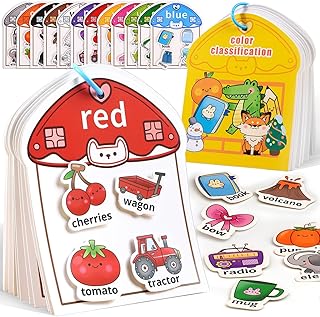

Early childhood is a time when children naturally learn by exploring the world around them. They touch objects, observe details, and experiment with different activities to understand how things work. This natural curiosity is the foundation of authentic montessori education. Developed by Maria Montessori, the Montessori method emphasizes hands-on learning as one of the most effective ways for children to develop knowledge and skills. In a Montessori classroom, children are encouraged to actively participate in learning rather than simply listening to instructions. This approach helps children build independence, confidence, and a deeper understanding of concepts from an early age.
Understanding Hands-On Learning in Montessori Education
Hands-on learning refers to an educational approach where children learn by actively engaging with materials and activities. In a Montessori preschool, children are not limited to textbooks or lectures. Instead, they interact with specially designed tools known as authentic montessori materials. These materials allow children to explore academic concepts through physical activities such as sorting, stacking, counting, and arranging objects. By interacting with these materials in a Montessori classroom, children develop both cognitive and motor skills while building a stronger connection with the learning process.
The Role of Hands-On Learning in Child Development
Hands-on learning is especially important during early childhood because young children learn best through sensory experiences. When children touch, move, and manipulate objects, they activate multiple areas of the brain. This type of learning strengthens memory and improves understanding. In montessori daycare environments, children regularly participate in activities that involve movement and interaction with materials. These experiences help children develop coordination, concentration, and problem-solving abilities while making learning enjoyable and meaningful.
Building Independence Through Hands-On Activities
One of the core goals of authentic montessori education is to help children become independent learners. Hands-on activities encourage children to explore and discover solutions on their own. In a Montessori classroom, children are free to choose activities that interest them and work on them independently. When children successfully complete tasks without constant adult assistance, they develop confidence in their abilities. This independence helps children build responsibility and decision-making skills that are valuable throughout their lives.
Encouraging Curiosity and Creativity
Hands-on learning also encourages curiosity and creativity. When children interact with authentic montessori materials, they are free to experiment and explore different possibilities. For example, children in a Montessori preschool may use blocks to build structures, arrange shapes in patterns, or use counting beads to explore numbers. These activities allow children to express creativity while also learning important academic concepts. By encouraging exploration, Montessori education helps children develop a natural love for learning.
Strengthening Concentration and Focus
Another important benefit of hands-on learning in a Montessori classroom is the development of concentration. Montessori activities often require children to focus on a task for extended periods. Whether they are pouring water, arranging blocks, or completing puzzles, these activities encourage careful attention and repetition. Over time, children learn to concentrate deeply on their work. This ability to focus is an important skill that supports both academic success and personal growth.
Supporting Learning at a Natural Pace
Every child develops at a different speed, and hands-on learning allows children to progress at their own pace. In a Montessori preschool, children are not pressured to move quickly through lessons. Instead, they can repeat activities as many times as needed until they fully understand the concept. This flexible approach helps reduce stress and ensures that children build a strong foundation before moving on to more complex ideas. By respecting each child’s natural learning rhythm, authentic montessori education creates a supportive and encouraging learning environment.
Practical Life Activities and Hands-On Learning
Practical life activities are one of the most recognizable examples of hands-on learning in Montessori education. In a Montessori daycare or preschool environment, children regularly participate in activities such as pouring liquids, cleaning tables, tying shoelaces, and preparing simple snacks. These activities help children develop coordination and independence while also teaching them valuable life skills. Practical life exercises also strengthen fine motor skills and help children feel capable of contributing to their environment.
Academic Learning Through Montessori Materials
Hands-on learning is not limited to everyday tasks; it also plays a key role in academic learning. In a Montessori classroom, children use authentic Montessori materials to explore subjects such as language, mathematics, and science. For example, children may trace sandpaper letters to learn the shapes and sounds of letters or use counting beads to understand mathematical concepts. These activities allow children to connect abstract ideas with physical experiences, making complex subjects easier to understand.
Long-Term Benefits of Hands-On Montessori Learning
Children who experience hands-on learning in Montessori preschool environments often develop important lifelong skills. They learn to think independently, solve problems creatively, and approach challenges with confidence. Because they are actively involved in the learning process, they also develop a deeper understanding of academic subjects. These benefits continue to support children as they progress through higher levels of education and into adulthood.
Conclusion
Hands-on learning is a fundamental part of authentic Montessori education. By allowing children to explore concepts through physical activities and real-life experiences, Montessori classrooms create a learning environment that is both engaging and effective. Whether in a montessori preschool, montessori daycare, or home learning space, hands-on activities help children build independence, creativity, and strong academic foundations. This approach not only supports early childhood development but also encourages a lifelong love of learning.
FAQs
What is hands-on learning in Montessori education?
Hands-on learning in Montessori education means children learn by interacting with authentic montessori materials and engaging in practical activities rather than only listening to instructions.
Why is hands-on learning important in a Montessori classroom?
It helps children understand concepts better, improves concentration, and encourages independence.
Is hands-on learning used in Montessori daycare programs?
Yes, montessori daycare programs use hands-on activities to support early childhood development and learning.
What skills do children develop through hands-on Montessori learning?
Children develop independence, problem-solving skills, concentration, creativity, and early academic abilities.
Can hands-on Montessori activities be done at home?
Yes, parents can create simple Montessori activities at home using everyday household items.
Do Montessori preschools focus only on play?
No, montessori preschool programs combine play with structured learning using authentic montessori materials to support academic and life skills.
How does hands-on learning support early childhood development?
It engages multiple senses, improves understanding, and helps children connect real-life experiences with academic learning.