

Complete Guide to Sensory-Rich Montessori Early Learning
Montessori education has been trusted globally for more than a century. Founded by Dr. Maria Montessori, this method was built on scientific observation of children and their natural patterns of development.
Today, Montessori schools continue to serve families seeking meaningful alternatives to traditional preschool and daycare models, families who want a supportive, sensory-rich learning environment that fosters independence and self-discipline in a structured space.
In this comprehensive Montessori Pillar Page, you will learn everything about the Montessori method, our programs, the age groups we serve, what makes an authentic Montessori classroom distinct, the role of Montessori materials, and how Montessori education supports whole-child development from birth to age six.
This guide also provides helpful insight for families searching for Montessori preschool in the USA, Montessori classroom, or Montessori daycare in the USA, helping parents make well-informed decisions about early childhood education.
Understanding the Montessori Philosophy
Montessori education is built on the belief that children learn naturally when provided with the right environment. Rather than relying on direct instruction, worksheets, or rigid group activities, Montessori promotes freedom of choice within a carefully structured and intentionally prepared environment.
Children explore, discover, create, and solve problems through hands-on engagement. Their experiences are guided by trained Montessori educators who observe developmental readiness and introduce new materials at the perfect moment, neither too soon nor too late.
Below are the fundamental principles of Montessori education that shape everything we do.
Child-Centered Learning
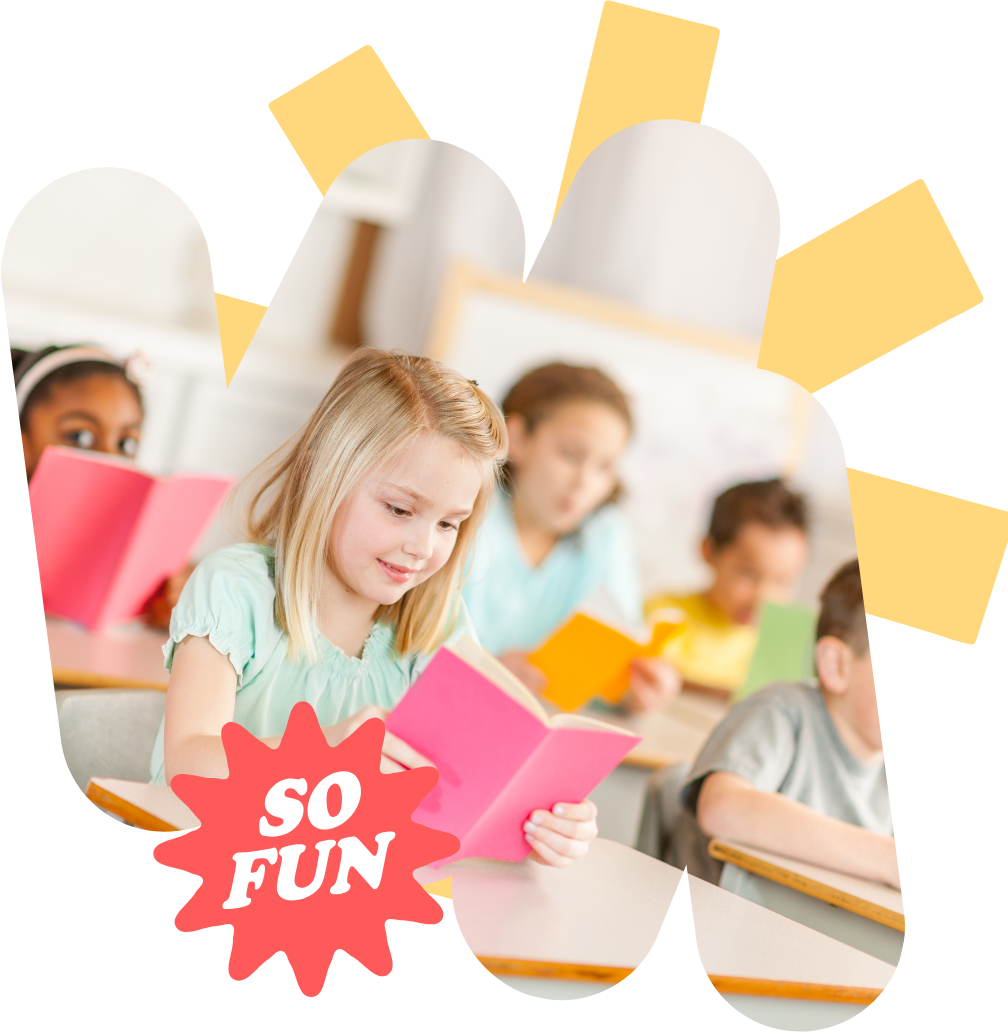
Montessori education is entirely child-centered. Learning is not something that happens to the child; it is something the child actively constructs. Every aspect of the classroom, from furniture height to the arrangement of authentic Montessori materials, is designed from the child’s perspective.
Children move freely, select activities, repeat work as needed, and learn at their natural pace without pressure or comparison.


Child-Centered Learning
Montessori education is entirely child-centered. Learning is not something that happens to the child; it is something the child actively constructs. Every aspect of the classroom, from furniture height to the arrangement of authentic Montessori materials, is designed from the child’s perspective.
Children move freely, select activities, repeat work as needed, and learn at their natural pace without pressure or comparison.
Freedom Within Limits
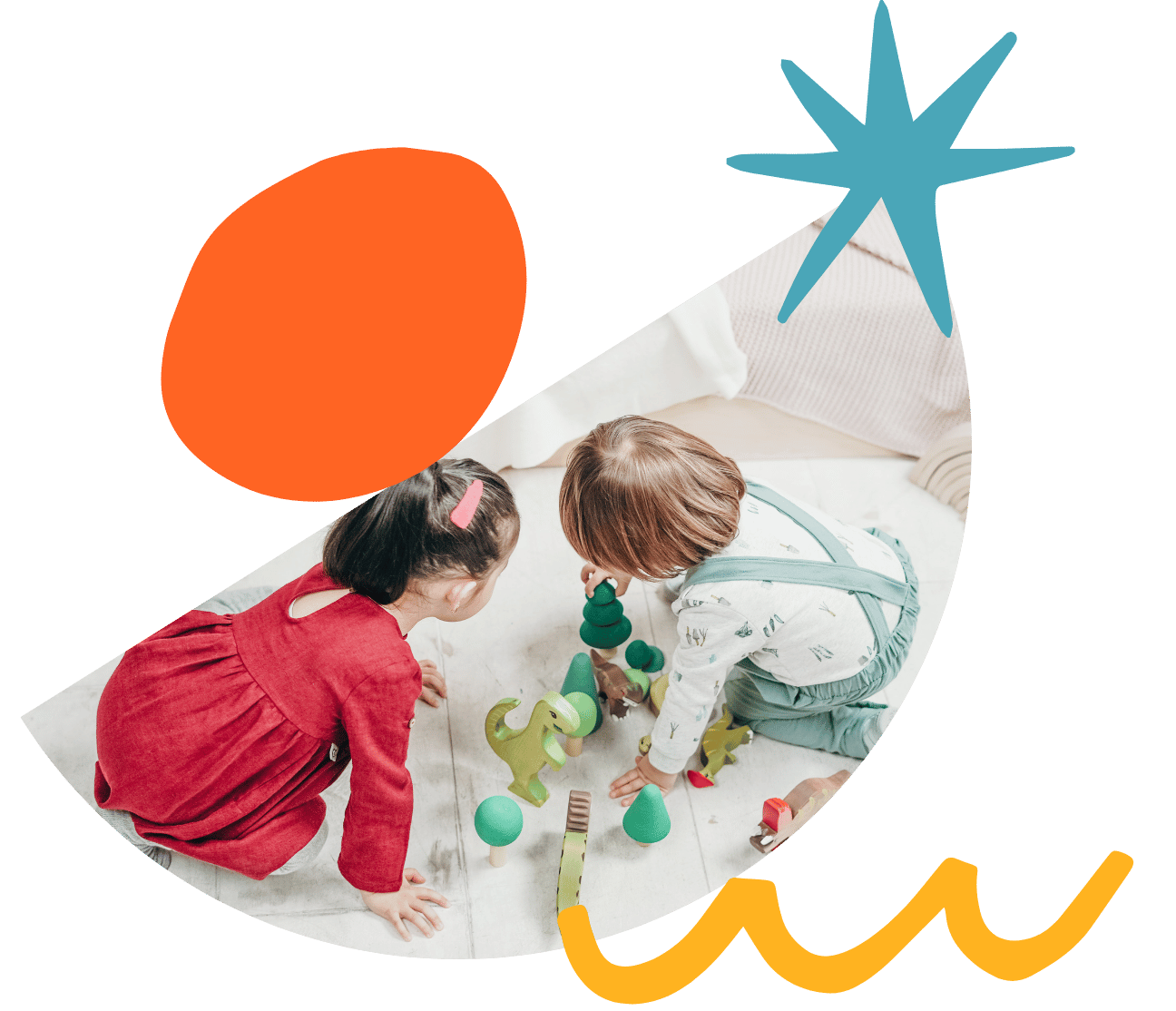
Montessori education values independence, but not chaos. Children have freedom of movement, choice, and expression, but within clear ground rules that promote order, respect, and responsibility.
Freedom within limits teaches children:
Auto-Education (Self-Teaching)
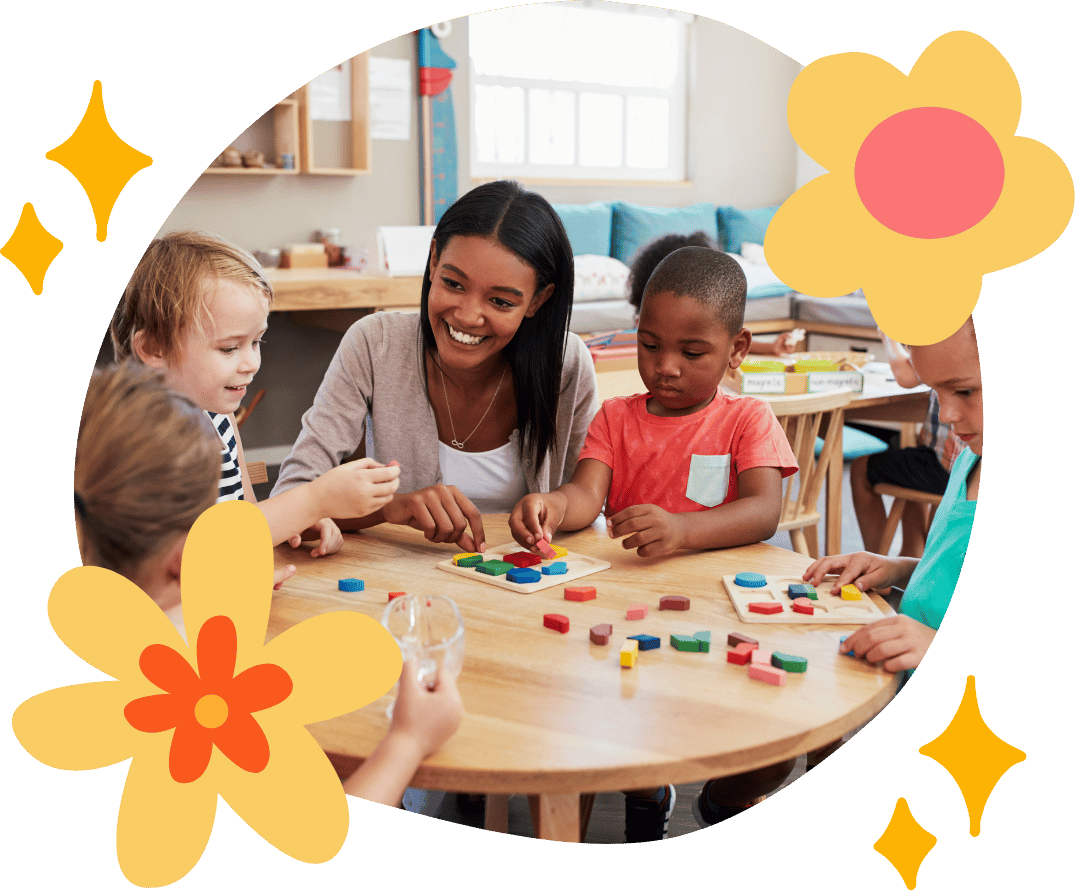
Dr. Montessori believed that children teach themselves when given meaningful materials and uninterrupted time. Montessori materials are carefully sequenced and self-correcting. This means the child receives immediate, silent feedback while working.
This allows children to:
A Prepared Environment
The Montessori classroom, known as the prepared environment, is one of the most important features of the method. Everything is accessible, orderly, beautiful, and purposeful.
A prepared environment includes:
The environment becomes a “silent teacher” guiding the child’s learning journey.
The Educator as a Guide
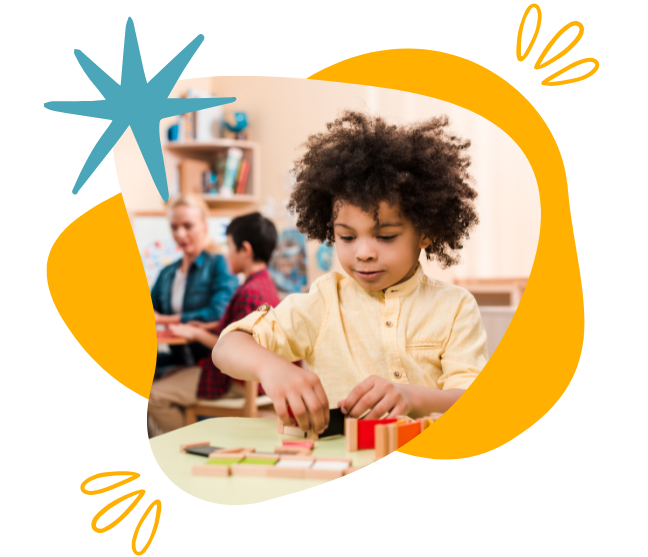
Montessori educators are not traditional teachers who lecture in front of the class. They are trained observers who follow the child’s interests, present new materials when appropriate, and support learning without interfering.

Their responsibilities include:
Age Groups We Serve — All Early Learning Ages (Birth to 6 Years)
Our Montessori programs support all early learning ages, each with developmentally appropriate environments and materials designed to promote physical, emotional, cognitive, and social growth.
Infant Community (0–12 Months)
Infants learn through movement, touch, sound, and emotional connection. Our Montessori infant environment supports these natural developmental needs.
Key features of our infant program include:
Infants build trust, motor control, early communication, and independence—all essential foundations for later learning.
Toddler Community (12–36 Months)
Toddlers are curious explorers who crave independence and movement. Our toddler Montessori classroom channels this energy into purposeful activities.
Developmental focus areas:
The toddler classroom supports emerging autonomy while nurturing emotional security.
Primary/Preschool Program (3–6 Years)
The Montessori preschool environment is often the most recognized level of Montessori education. When parents search for Montessori preschool near me, they are seeking an authentic classroom like this, rich with hands-on learning opportunities using authentic Montessori materials.
The preschool environment offers:
Preschool children learn naturally through exploration, repetition, and discovery. Their cognitive, social, and emotional development flourishes in this three-year cycle.
Montessori Kindergarten (5–6 Years)
Kindergarten is the culmination of the Montessori early childhood cycle. By this age, children are confident leaders who have mastered foundational skills.
Kindergarten focus areas include:
Montessori kindergarten prepares children for academic excellence and lifelong success.
Our Montessori Programs — The Complete Curriculum
Montessori offers a five-area curriculum, each designed to support specific developmental goals. Our classrooms follow the complete Montessori scope and sequence with fidelity.
Practical Life
Practical Life is the heart of the Montessori classroom. It teaches real-life skills through purposeful activities such as pouring, spooning, sweeping, dressing, food preparation, and cleaning.
Benefits of Practical Life:
Practical life directly supports cognitive development by strengthening executive functioning skills.
Sensorial
Sensorial materials refine the senses and help children classify information. These materials isolate specific sensory qualities such as:
Sensorial learning supports later math, science, and language understanding.
Mathematics
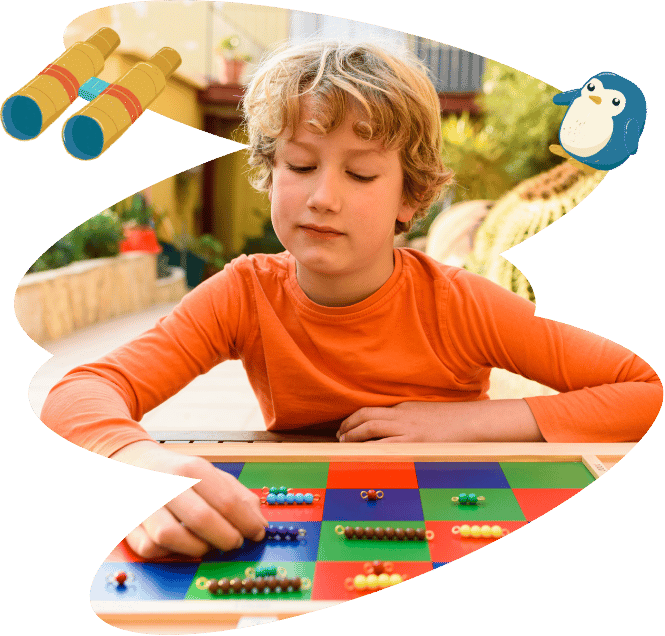
Montessori math materials introduce abstract mathematical concepts through concrete, hands-on experiences.
Math materials include:
Children grasp quantity, place value, and operations intuitively, building strong number sense and problem-solving ability.
Language
The Montessori language curriculum covers:
Children progress naturally from spoken language to reading fluency and written communication.
Cultural Studies
This includes:
Cultural studies broaden children’s understanding of the world, developing global citizenship and curiosity.
Grace and Courtesy
Grace and Courtesy lessons teach social etiquette, communication skills, respect, patience, kindness, and problem-solving.
Children practice:
These skills help build emotionally intelligent children.
Montessori Preschool Near Me
Parents searching for Montessori preschool near me are often looking for:
Our preschool program offers all of this and more, making us a leading choice for families seeking high-quality early learning experiences

Montessori Daycare Near Me
Families searching for Montessori daycare near me want more than standard childcare; they want purposeful learning.
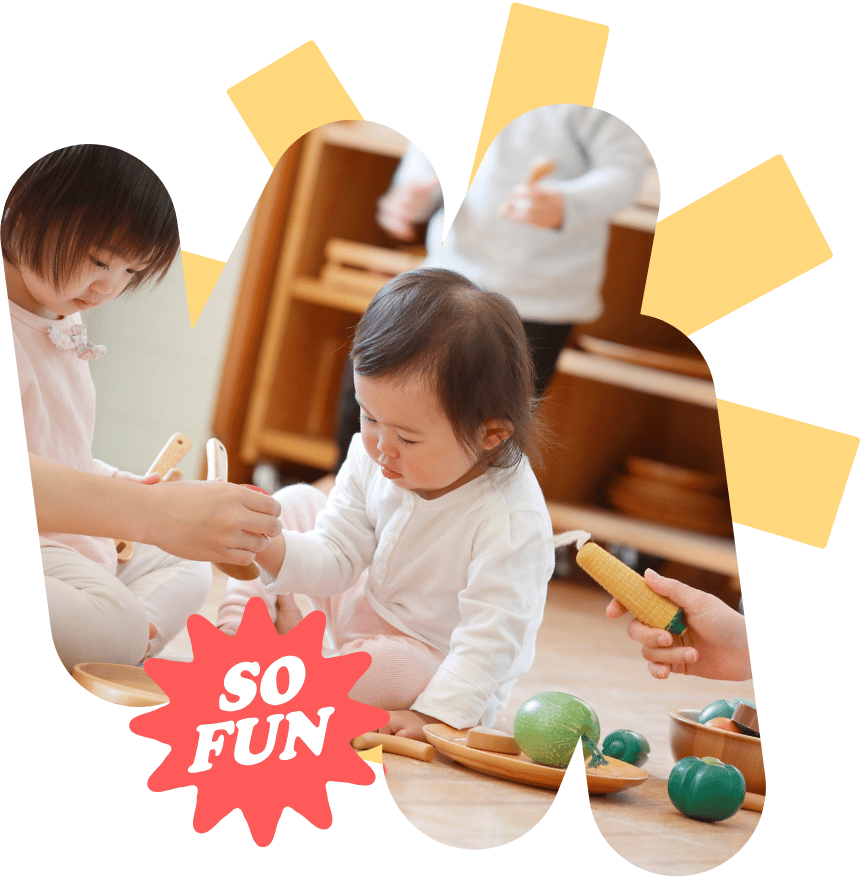
Our Montessori daycare program blends:
This makes our program ideal for working families who want meaningful care.
Authentic Montessori Materials
Authentic Montessori materials are scientifically designed to support natural development. These materials:
Using authentic Montessori materials ensures a true Montessori experience—not a “Montessori-inspired” imitation.
Benefits of Montessori Education
Montessori supports every aspect of early childhood development.
Academic Benefits:
Strong reading skills, Advanced number sense, Problem-solving ability, Critical thinking
Social Benefits:
Respect Empathy Cooperation Leadership
Physical Benefits:
Fine motor development Gross motor coordination Practical life skills
Emotional Benefits:
Confidence Resilience Self-discipline Independence
Montessori nurtures whole-child development in ways traditional early learning cannot replicate.
Why Families Choose Our Montessori Program
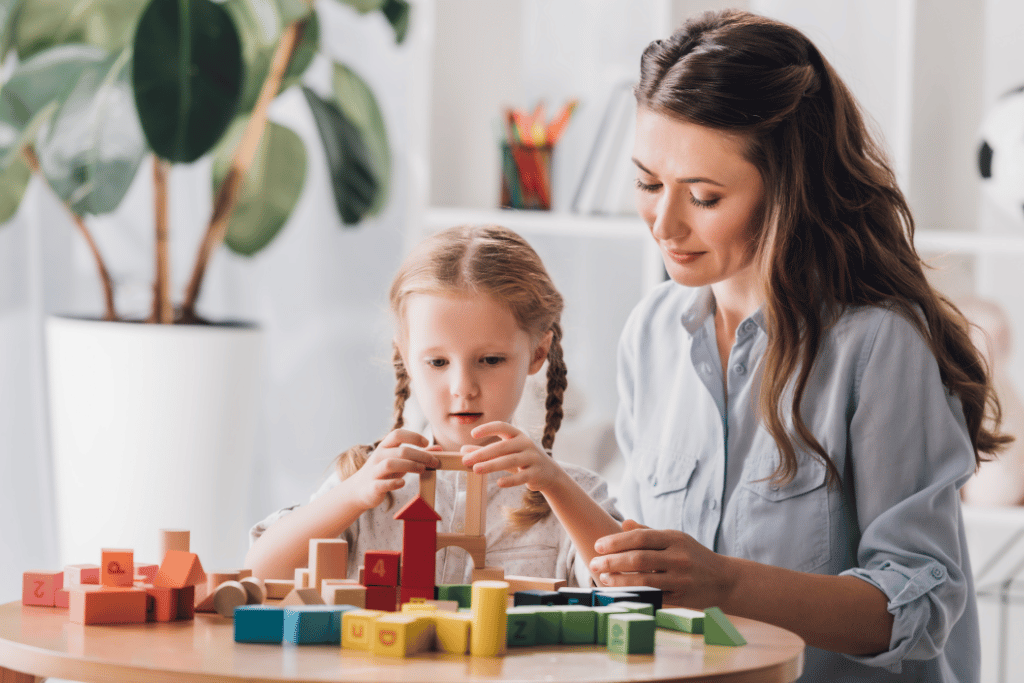
Parents choose our program because we offer:
We are committed to excellence at every step.
What an Authentic Montessori Classroom Looks Like
Parents searching for a Montessori classroom want a space that reflects the true Montessori philosophy—not a traditional classroom labeled as Montessori.
Here is what defines an authentic Montessori classroom:
Structured, Orderly, and Beautiful
Everything has a place. Materials are displayed neatly and attractively. The environment is calm, clean, and free from clutter.
Child-Sized and Accessible
Shelves, tables, chairs, and learning tools are all sized to empower independence. Children take responsibility for caring for their environment.
Authentic Montessori Materials
We use genuine Montessori materials, which include: Pink tower, Brown stair, Metal insets, Bead chains, Golden bead material, Sandpaper letters, Moveable alphabet, Land and water forms
These materials support intellectual and physical development through hands-on, sensory engagement.
Multi-Age Community
Children learn together in mixed-age groups, typically: 0–1, 1–3,3–6
This promotes peer mentoring, leadership development, and a sense of belongi
Long, Uninterrupted Work Cycles
Montessori classrooms allow for extended periods of focused work without disruptions. This deepens concentration and promotes mastery.
Locations We Serve

Frequently Asked Questions
Montessori is a scientifically developed learning approach that emphasizes independence, sensory exploration, and hands-on learning in a structured environment.
Yes. We accept infants, toddlers, preschoolers, and kindergarten students (birth to 6 years).
Montessori provides individualized learning, self-pacing, hands-on materials, and mixed-age groups—not worksheets or rigid whole-group instruction.
Yes. We use authentic Montessori materials, certified teachers, and a fully prepared Montessori environment.
Absolutely. Children develop strong foundations in reading, writing, math, science, and critical thinking.
Montessori daycare combines childcare with structured, purposeful learning guided by trained educators.
Teachers act as guides—observing, presenting materials, and supporting development while promoting independence.
Materials are designed to be self-correcting, hands-on, and sequenced from simple to complex.
Yes. Classes follow a structured routine including independent work cycles, group lessons, outdoor play, and enrichment.
Montessori benefits most children, especially those who thrive with independence, structure, and hands-on exploration.