
Early childhood is one of the most important stages of life. During the first six years, a child’s brain develops rapidly, forming the foundation for learning, behaviour, and emotional well-being. Choosing the right educational approach during this critical period can shape a child’s future success. The Montessori method, developed by Dr Maria Montessori, has become one of the most trusted and effective approaches to early childhood education and for good reason.
A Child-Centered Learning Approach
Unlike traditional classrooms, where teachers lead lessons for the entire group, Montessori classrooms are designed around the child. Children are encouraged to explore, choose activities, and learn at their own pace. This self-directed approach builds independence and confidence from an early age. Instead of memorising information, children actively engage with hands-on materials that help them truly understand concepts.
In a Montessori environment, teachers act as guides rather than instructors. They observe each child’s interests and developmental stage, offering support when needed while allowing room for discovery. This personalized attention ensures that no child feels rushed or left behind.
Hands-On Learning with Purpose
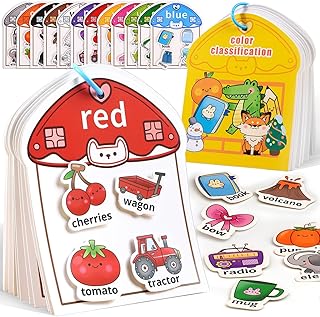
One of the most distinctive features of Montessori education is the use of specially designed learning materials. These materials are tactile, interactive, and self-correcting, meaning children can identify and fix mistakes independently. Whether learning math, language, or practical life skills, children engage multiple senses, making learning more meaningful and memorable.
This hands-on approach strengthens problem-solving abilities, concentration, and critical thinking skills. Rather than passively listening, children actively participate in their education, which leads to deeper understanding and long-term retention.
Building Independence and Responsibility
Montessori classrooms are carefully prepared environments where everything has a purpose. Child-sized furniture, organized shelves, and accessible materials empower children to take responsibility for their learning and surroundings. Simple daily tasks such as cleaning up, preparing snacks, or caring for classroom plants teach practical life skills and foster a sense of accountability.
Over time, children develop strong self-discipline and intrinsic motivation. They learn to complete tasks not for rewards, but because they take pride in their work. This internal drive becomes a powerful foundation for lifelong success.
Supporting Social and Emotional Growth
Montessori education also places strong emphasis on emotional intelligence and respect. Mixed-age classrooms encourage collaboration rather than competition. Younger children learn by observing older peers, while older students build leadership skills by mentoring others.
This nurturing environment promotes empathy, patience, and effective communication. Children learn to resolve conflicts peacefully and develop healthy social relationships skills that are just as important as academic knowledge.
Encouraging a Love for Learning
Perhaps the greatest benefit of Montessori education is that it cultivates a genuine love for learning. When children are free to explore topics that interest them, they become naturally curious and enthusiastic learners. Instead of viewing education as a chore, they see it as an exciting journey of discovery.
FAQs
1. What is Montessori education?
Montessori education is a child-centered learning approach that encourages independence, hands-on learning, and self-directed exploration in a prepared classroom environment.
2. Why is Montessori good for early childhood development?
Montessori supports early childhood development by building independence, focus, problem-solving skills, emotional intelligence, and a lifelong love for learning.
3. At what age can a child start Montessori?
Children can typically begin Montessori programs as early as 2.5 to 3 years old, depending on the school and readiness level of the child.
4. How is Montessori different from traditional preschool?
Unlike traditional preschools, Montessori classrooms allow children to learn at their own pace using hands-on materials, with teachers acting as guides rather than instructors.
5. Does Montessori help with social skills?
Yes, Montessori classrooms often include mixed-age groups, encouraging collaboration, leadership, empathy, and respectful communication among children.
6. Are Montessori students prepared for elementary school?
Montessori students are typically well-prepared for elementary school because they develop strong concentration, independence, organizational skills, and confidence.
7. Can Montessori education be continued at home?
Yes, parents can support Montessori learning at home by creating a structured environment, encouraging independence, and providing simple hands-on activities.