
Beginning your journey in education requires the right foundation, and the Montessori curriculum offers a proven approach for creating meaningful learning experiences. Designed to support Montessori Early childhood education, this method focuses on hands-on learning, independence, and child-led development. At Montessori Early Learning Curriculums, educators are guided to implement strategies that help children thrive both academically and personally.
Why Start with the Montessori Curriculum
Starting your teaching with the Montessori curriculum allows educators to move beyond traditional methods and focus on the individual needs of each child. This approach encourages children to explore, question, and learn at their own pace.
By integrating Montessori preschool learning, teachers create an environment where children actively participate in their education. This not only improves understanding but also builds confidence and self-discipline from an early age.
Core Elements of an Effective Montessori Curriculum
To successfully implement Montessori Early childhood education, it is important to understand its key components:
Child-Centered Learning
Children are at the center of the learning process. Teachers observe and guide rather than instruct, allowing personalized development.
Hands-On Experiences
Learning is based on doing rather than memorizing. Activities are designed to engage children in meaningful ways.
Prepared Environment
A well-organized classroom with accessible materials encourages independence and responsibility.
Freedom with Structure
Children are free to choose activities within a structured environment, helping them develop discipline and focus.
Role of Montessori Educational Materials
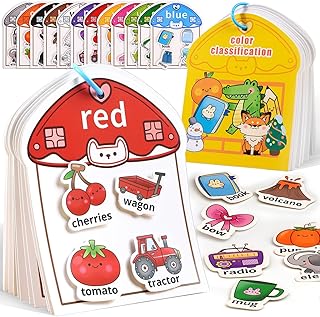
Montessori educational materials are essential tools that make learning interactive and effective. These materials are designed to be self-correcting, allowing children to learn independently without constant supervision.
From sensorial tools to language and math resources, each material supports a specific area of development. Using Montessori educational materials ensures that children understand concepts clearly and retain knowledge for longer periods.
Building a Strong Montessori Preschool Curriculum
An effective Montessori preschool curriculum includes a balance of different learning areas:
- Practical life activities for independence
- Sensorial learning for sensory development
- Language activities for communication skills
- Mathematics for logical thinking
- Cultural studies for world awareness
This structured approach ensures that children receive a well-rounded education while enjoying the learning process.
How to Apply Montessori Preschool Education in Teaching
Implementing Montessori preschool education in your teaching practice involves creating a supportive and engaging environment. Teachers should:
- Observe each child’s progress and interests
- Introduce activities based on developmental needs
- Encourage independence and self-learning
- Provide guidance without controlling every step
At Montessori Early Learning Curriculums, educators are trained to apply these principles effectively, ensuring that every child receives personalized attention.
Benefits of Starting with an Effective Montessori Curriculum
Choosing Montessori Early childhood education offers long-term benefits for both teachers and students:
- Promotes independent and confident learners
- Enhances creativity and problem-solving skills
- Builds strong concentration and discipline
- Encourages a lifelong love for learning
- Supports emotional and social development
These benefits make the Montessori curriculum a powerful tool for early education.
Tips for Teachers Beginning with Montessori
If you are new to Montessori preschool learning, consider these simple tips:
- Start with basic Montessori educational materials
- Create a calm and organized classroom environment
- Allow children to explore and make choices
- Focus on observation rather than direct instruction
- Be patient and support each child’s unique pace
These steps will help you successfully begin your journey with Montessori preschool education.
Conclusion
Starting your teaching with an effective Montessori curriculum is a valuable step toward creating meaningful learning experiences. By combining Montessori Early childhood education, Montessori preschool learning, and carefully designed Montessori educational materials, educators can build a strong foundation for children’s growth.
With a well-structured Montessori preschool curriculum, teachers can inspire independence, curiosity, and confidence in every child. This approach ensures that learning is not only effective but also enjoyable and long-lasting.
FAQs
- What is the Montessori curriculum?
It is a child-centered approach that focuses on hands-on learning and independence. - How can teachers start with Montessori preschool learning?
By creating a prepared environment and using interactive learning materials. - What are Montessori educational materials?
They are tools designed to help children learn concepts through hands-on activities. - What does a Montessori preschool curriculum include?
It includes practical life, sensorial, language, math, and cultural learning.
5. Why is Montessori preschool education effective?
It promotes independence, builds confidence, and supports overall child development.