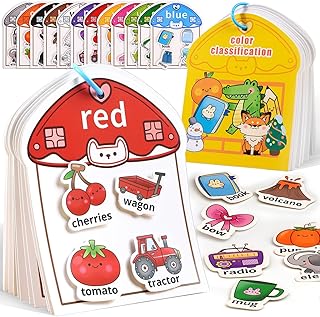

Many parents notice that their child finds it difficult to stay focused during activities, complete simple tasks, or pay attention for long periods. While every child develops at their own pace, the learning environment can have a significant impact on concentration. Montessori early childhood education is designed to support natural attention spans by encouraging children to work independently, explore at their own pace, and engage with hands-on learning materials.
Unlike traditional classrooms that often require children to switch between activities on a fixed schedule, Montessori creates an environment where children can spend uninterrupted time on meaningful work. This helps improve concentration while reducing unnecessary distractions.
Why Do Some Children Lose Focus Easily?
Young children are naturally curious, but they can also become distracted when learning feels overwhelming or uninteresting. Loud classrooms, frequent interruptions, or activities that don’t match a child’s developmental stage can make focusing even more difficult.
Montessori recognizes that every child learns differently. Instead of expecting all children to learn the same way, teachers carefully observe each child and introduce activities that match their readiness and interests.
How Montessori Encourages Better Concentration
One of the biggest strengths of Montessori early childhood education is its prepared environment. Every learning material has a clear purpose, allowing children to complete tasks independently from beginning to end.
Children are encouraged to choose activities, repeat them as often as needed, and correct their own mistakes using specially designed Montessori materials. This process naturally builds patience, problem-solving skills, and longer attention spans without relying on constant reminders from adults.
Hands-on learning also keeps children actively involved, making it easier for them to stay engaged compared to passive learning methods.
The Role of Montessori Materials
Practical learning tools are an important part of every Montessori classroom. Activities involving sorting, matching, pouring, counting, and sensory exploration help children strengthen both cognitive and motor skills.
Parents can also introduce Montessori sensory toys for toddlers at home. These materials encourage exploration through touch, movement, and observation, helping children develop focus while learning through play.
Simple, purposeful activities often keep children engaged longer than electronic devices or fast-paced entertainment.
Does Learning Continue Beyond Preschool?
Absolutely. As children grow, the Montessori elementary curriculum builds upon the concentration skills developed during the early years. Students continue working independently, complete longer projects, solve real-world problems, and collaborate with classmates while managing their own responsibilities.
This gradual progression helps children become confident learners who can stay focused on increasingly complex tasks throughout their academic journey.
Choosing the Right Montessori Program
Parents searching online for Montessori education near me or kindergarten Montessori near me should look beyond location alone. A quality Montessori program should provide certified educators, authentic Montessori materials, mixed-age classrooms, and uninterrupted work periods that allow children to fully engage in learning.
Visiting the classroom, observing daily routines, and asking questions about the curriculum can help families choose a program that supports their child’s individual needs.
Final Thoughts
Children who lose focus easily often benefit from an environment that respects their natural pace of learning. Rather than forcing attention through constant instruction, Montessori nurtures concentration by offering meaningful, hands-on experiences that encourage independence and curiosity.
Whether through Montessori early childhood education, a well-designed Montessori elementary curriculum, or thoughtfully selected Montessori sensory toys for toddlers, children can gradually develop stronger focus, greater confidence, and a lifelong love of learning.
FAQs
1. Can Montessori help children with short attention spans?
Yes. Montessori allows children to work without unnecessary interruptions, helping them gradually build concentration through engaging, hands-on activities.
2. At what age should children begin Montessori education?
Many children begin Montessori early childhood education between ages 2½ and 6, though Montessori programs are available for infants through elementary school.
3. Are Montessori sensory toys useful at home?
Yes. Montessori sensory toys for toddlers encourage exploration, fine motor development, and sustained attention through purposeful play.
4. What makes the Montessori elementary curriculum different?
The Montessori elementary curriculum encourages independent learning, collaborative projects, critical thinking, and real-world problem-solving rather than memorization alone.
5. How do I choose the best Montessori school?
When searching for Montessori education near me or kindergarten Montessori near me, look for trained Montessori teachers, authentic learning materials, mixed-age classrooms, and opportunities for uninterrupted work periods.