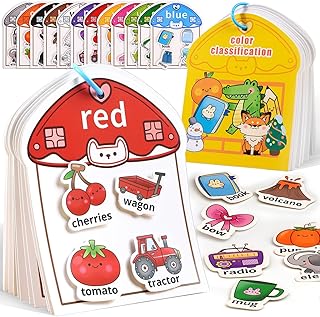

The first year of Montessori is an exciting stage where children begin building the skills that support lifelong learning. Rather than focusing only on academics, Montessori encourages children to become independent, confident, and curious through meaningful, hands-on experiences. Every activity is designed to match a child’s developmental needs while allowing them to learn at their own pace.
Using carefully prepared environments and Montessori educational materials, children develop practical, social, emotional, and cognitive abilities that prepare them for future success in school and everyday life.
Independence Begins with Everyday Activities
One of the first skills children gain in a Montessori preschool classroom is independence. They learn how to choose activities, care for classroom materials, clean up after themselves, and complete tasks without constant adult assistance.
Practical life exercises such as pouring water, buttoning clothes, arranging objects, and preparing simple snacks strengthen fine motor skills while teaching responsibility and self-confidence. These daily routines help children feel capable and motivated to take on new challenges.
Building Focus Through Hands-On Learning
Montessori classrooms encourage children to concentrate by allowing them to work uninterrupted for extended periods. Instead of moving quickly from one lesson to another, children repeat activities until they feel confident.
Learning tools like Montessori shape sorter toys, puzzles, and sequencing activities improve attention, problem-solving, and logical thinking. Many families also use Montessori sensory toys for toddlers at home to continue developing concentration, sensory awareness, and fine motor coordination through purposeful play.
Hands-on experiences keep children actively engaged, making learning enjoyable while reducing unnecessary distractions.
Developing Early Language and Communication Skills
Language development is introduced naturally throughout the Montessori environment. Children build vocabulary through conversations, storytelling, songs, object naming, and interactive learning activities.
Teachers may also introduce Alphabet flash cards for toddlers alongside phonetic games and letter recognition exercises to support early literacy. Combined with reading aloud and practical communication activities, these experiences prepare children for writing and reading without pressure.
Because children progress at their own pace, they develop confidence while building strong communication skills.
Strengthening Cognitive and Problem-Solving Skills
Every Montessori activity encourages children to observe, compare, classify, and solve problems independently. Carefully designed Montessori educational materials allow children to recognize mistakes and correct them without relying on constant teacher feedback.
Activities involving counting, sorting, matching, and pattern recognition lay the foundation for mathematical thinking while encouraging critical thinking and decision-making. These experiences help children become active learners who enjoy exploring new concepts.
Social and Emotional Growth
The first year of Montessori also focuses on emotional development. Children learn to respect others, wait their turn, work cooperatively, and communicate their needs appropriately.
Mixed-age classrooms create natural opportunities for younger children to observe older classmates while older students model kindness, patience, and leadership. These interactions help children develop empathy, confidence, and positive social relationships.
Final Thoughts
The first year of Montessori is about much more than preparing children academically. Through meaningful experiences, children develop independence, concentration, communication, problem-solving, and social confidence that support every stage of future learning.
Whether learning with Montessori educational materials in a Montessori preschool classroom or exploring Montessori toys for toddlers and Montessori sensory toys for toddlers at home, children build valuable life skills that encourage curiosity, creativity, and lifelong success.
FAQs
1. What is the main goal of the first year of Montessori?
The first year focuses on developing independence, concentration, communication, practical life skills, and confidence through hands-on learning experiences.
2. Why are Montessori educational materials important?
Montessori educational materials help children understand concepts independently by encouraging exploration, repetition, and self-correction.
3. Are Montessori toys helpful at home?
Yes. Montessori toys for toddlers, including Montessori shape sorter toys and sensory materials, support cognitive development, fine motor skills, and problem-solving.
4. How does Montessori prepare children for reading?
Children develop language naturally through conversation, storytelling, phonics activities, and tools like Alphabet flash cards for toddlers, preparing them for reading and writing.
5. What happens in a Montessori preschool classroom?
A Montessori preschool classroom provides a prepared environment where children choose activities, work independently, build practical life skills, and develop social, emotional, and academic abilities at their own pace.