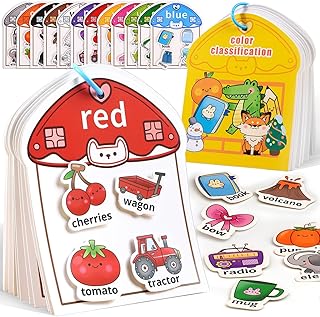

Choosing the right preschool is an important decision for parents. A quality Montessori preschool should provide more than attractive toys. It should create a supportive environment where children can develop independence, concentration, confidence, and practical skills.
When comparing schools, look at the Montessori preschool classroom, teachers, learning materials, daily routines, and how well the program matches your child’s needs.
1. Visit the Montessori Preschool Classroom
Visit the classroom before making a decision. A well-prepared Montessori preschool classroom should be organized, calm, inviting, and accessible to children.
Observe how teachers interact with children. Do they encourage independence? Do children have opportunities to choose activities and work without constant direction? These details can reveal how closely the classroom follows Montessori principles.
2. Check Teacher Training and Experience
Teachers play a major role in a child’s Montessori experience. Ask about their Montessori training, classroom experience, and approach to supporting different learning needs.
A good Montessori teacher knows when to demonstrate an activity, when to observe, and when to offer help. This allows children to develop skills while receiving appropriate guidance.
3. Examine the Learning Materials
Montessori classrooms use purposeful, hands-on materials rather than relying only on traditional toys. Look for activities involving sorting, matching, counting, puzzles, language, sensory exploration, and practical life skills.
For younger children, educational wooden blocks for toddlers can support coordination, creativity, spatial awareness, and early problem-solving.
The focus should be on how materials support development, not simply how many materials the classroom contains.
4. Look for Age-Appropriate Activities
Children should have activities that match their developmental stage. Montessori toys for toddlers may include stacking activities, puzzles, sensory materials, and practical life exercises.
For preschoolers, counting toys for preschoolers can introduce numbers, quantities, sequencing, and early mathematical concepts through hands-on experiences.
5. Ask About the Daily Routine
Ask the school what a typical day looks like. Find out about work periods, outdoor play, meals, rest, group activities, and transitions.
A predictable routine can help children feel comfortable while still giving them opportunities to make appropriate choices and repeat activities at their own pace.
6. See How Independence Is Encouraged
Independence is an important part of Montessori education. Ask how children are encouraged to care for their belongings, return materials, clean their workspace, and complete simple everyday tasks.
The right preschool should allow children to participate actively instead of having adults complete everything for them.
7. Consider the Classroom Environment
Look at the classroom size, cleanliness, furniture, organization, and accessibility. Materials should be easy for children to reach, and the environment should allow them to move safely and comfortably.
Also observe the children. Do they appear engaged, comfortable, and interested in their activities? Their behavior can provide useful insight into the classroom atmosphere.
Make the Right Montessori Preschool Choice
Choosing a Montessori preschool does not have to be overwhelming. Visit classrooms, talk with teachers, examine materials, and ask about routines and communication.
Most importantly, choose a program where your child can feel supported while developing independence, curiosity, concentration, and confidence.
FAQs
1. What should I look for in a Montessori preschool?
Look for trained teachers, a prepared classroom, age-appropriate materials, opportunities for independence, consistent routines, and strong parent communication.
2. What makes a good Montessori preschool classroom?
A good classroom is organized, accessible, peaceful, and equipped with purposeful activities that encourage independence, concentration, and hands-on learning.
3. Are Montessori toys important for preschoolers?
Purposeful materials can support children’s development, but their value depends on how appropriately they are selected and presented rather than simply how many toys are available.
4. How can I find a Montessori preschool near me?
Search for local Montessori programs, compare their facilities and reviews, and visit shortlisted schools to observe the classroom and speak with teachers.
5. Should I buy Montessori learning kits for home?
They can support home activities, but expensive kits are not essential. Simple, age-appropriate materials and everyday practical activities can also encourage meaningful learning.