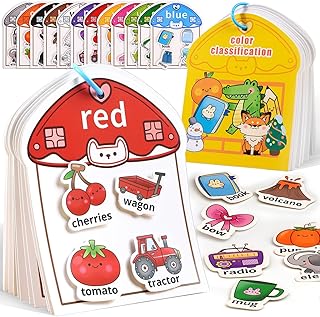

It can be frustrating when a child refuses to participate in an activity that seems enjoyable or age-appropriate. Parents may wonder whether their child is struggling with Montessori or simply needs more encouragement. In reality, resistance is often a normal part of childhood development.
Children may reject an activity because they are tired, not interested, need more independence, or find the activity too difficult. In a Montessori environment, the goal is not to force participation but to understand the child’s needs and provide opportunities that encourage natural engagement.
Understand Why Your Child Is Resisting
Before encouraging your child to try an activity again, consider why they are refusing it. Is the activity too challenging? Is your child hungry or tired? Are they being asked to stop something they currently enjoy?
Understanding the reason behind the resistance can help parents respond calmly instead of turning the activity into a struggle.
For example, a child may refuse a puzzle because it feels difficult, while another may simply prefer a different type of activity. Paying attention to these signals is an important part of supporting independent learning.
Give Your Child Appropriate Choices
One of the strengths of Montessori education is giving children opportunities to make meaningful choices. Instead of saying, “You have to do this activity,” offer two suitable options.
You might ask whether your child would like to build educational wooden blocks for toddlers or work on a simple sorting activity. Providing limited choices gives children a sense of control while keeping the learning experience purposeful.
Start With Activities Your Child Enjoys
If your child is resisting Montessori activities, start with something that naturally interests them. A child who enjoys building might respond well to blocks, while another who enjoys matching may prefer puzzles or sorting activities.
Montessori toys for toddlers can support exploration when they are selected according to the child’s age, interests, and developmental abilities. The goal is to create positive experiences rather than completing a specific number of activities.
Avoid Forcing Participation
Forcing a child to complete an activity can create negative associations with learning. Montessori encourages children to develop concentration and independence gradually.
If your child says no, consider stepping back and trying again later. Sometimes simply observing an activity or watching another child participate can make a child curious enough to try it independently.
Make Activities Age-Appropriate
Resistance can happen when an activity is too easy, too difficult, or simply not appropriate for the child’s current developmental stage.
For example, counting toys for preschoolers can introduce early mathematical concepts through hands-on exploration. However, the activity should match the child’s current abilities. If counting feels overwhelming, begin with simple quantities and gradually increase the challenge.
The same principle applies to puzzles, practical life activities, language materials, and sensory experiences.
Create a Calm Montessori Preschool Classroom at Home
The environment can influence how children respond to activities. A crowded or distracting space may make it harder for a child to concentrate.
Parents can create a simple learning area with a small selection of accessible materials. Rather than displaying too many options, rotate activities based on your child’s interests.
Parents may also find Montessori learning kits on Amazon, but expensive materials are not necessary. Simple household objects, blocks, puzzles, books, and practical activities can provide meaningful learning opportunities when used thoughtfully.
Let Your Child Repeat and Explore
Children often need time to become comfortable with a new activity. Instead of expecting immediate success, allow your child to observe, experiment, make mistakes, and try again.
Repetition is an important part of learning. A child who initially refuses an activity may become interested after seeing it several times.
Parents can encourage curiosity by demonstrating the activity briefly and then allowing the child to decide whether they want to continue.
Talk With Your Child’s Teacher
If your child consistently resists activities at school, speak with the Montessori teacher. Teachers can often identify patterns that parents may not notice at home.
Ask which activities your child enjoys, when resistance occurs, and whether certain materials or classroom routines seem to encourage better engagement. Understanding what happens in the Montessori preschool classroom can help parents create more consistent support at home.
Focus on Progress, Not Perfection
Montessori is not about making every child participate in every activity. Children develop at different speeds and have different interests.
Instead of measuring success by how many activities your child completes, focus on whether they are gradually developing curiosity, independence, concentration, coordination, and confidence.
A child who resists today may be ready to participate tomorrow. Patience, appropriate choices, and a supportive environment can make learning feel more natural and enjoyable.
FAQs
1. Why does my child refuse Montessori activities?
Children may resist because they are tired, uninterested, frustrated, or not ready for a particular activity. Understanding the reason can help parents choose a better approach.
2. Should I force my child to complete a Montessori activity?
No. Forcing participation can create frustration around learning. Offer appropriate choices, demonstrate the activity, and allow your child time to decide when they are ready.
3. What Montessori toys are good for toddlers who resist activities?
Simple, hands-on materials such as stacking toys, puzzles, sorting activities, and educational wooden blocks for toddlers can encourage exploration without creating unnecessary pressure.
4. Can Montessori activities be adapted for children at home?
Yes. Parents can adapt activities according to their child’s interests and developmental stage. Everyday household tasks, simple puzzles, building materials, and counting activities can support Montessori-inspired learning.
5. When should parents talk to a Montessori teacher?
If resistance happens frequently or across many activities, talk with the teacher. They can help identify patterns and suggest activities or approaches that may better match your child’s interests and developmental needs.