
Montessori Early childhood education is designed to support children during the crucial developmental stage between ages 3 and 6. This period is known for rapid growth in cognitive, emotional, and physical abilities.
Through structured yet flexible learning, children gain independence, confidence, and a strong academic foundation. At Montessori Early Learning Curriculums, the focus is on creating meaningful experiences that encourage natural learning and development.
Montessori Early Childhood Education
Montessori Early childhood education emphasizes a child-centered approach where learning is guided by curiosity and exploration. Instead of traditional instruction, children engage in hands-on activities that help them understand concepts deeply.
This method supports overall development by encouraging independence and self-motivation. Children learn at their own pace, which helps build confidence and a love for learning. The environment is carefully prepared to meet the needs of every child.
Montessori Preschool Learning
Montessori preschool learning is focused on active participation and real-world experiences. Children are given the freedom to choose their activities, which helps them develop decision-making skills and responsibility.
This approach improves concentration, creativity, and problem-solving abilities. Montessori preschool learning also encourages collaboration and respect, helping children build strong social skills in a supportive environment.
Montessori Educational Materials
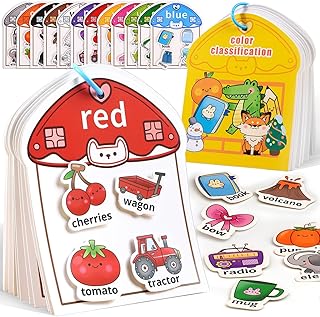
Montessori educational materials are essential for effective learning. These materials are specially designed to be interactive and self-correcting, allowing children to learn independently.
For example, sensorial materials help children understand differences in size, shape, and texture. Language materials support reading and writing skills, while math materials introduce numbers and patterns in a simple and engaging way. Montessori educational materials make learning enjoyable and effective.
Montessori Preschool Curriculum
The Montessori preschool curriculum for ages 3–6 is divided into key learning areas that support overall development:
Practical Life Activities
Children learn everyday skills such as pouring, cleaning, and organizing. These activities build independence, coordination, and concentration.
Sensorial Learning
Sensorial activities help children explore and refine their senses. They learn to identify differences in color, shape, size, and texture.
Language Development
Children are introduced to letters, sounds, reading, and writing through interactive activities. This helps build strong communication skills.
Mathematics
Mathematics is taught using hands-on materials that make abstract concepts easy to understand. Children learn numbers, counting, and basic operations.
Cultural Studies
Cultural subjects include geography, science, and social awareness. These lessons help children understand the world around them.
The Montessori preschool curriculum ensures that children receive a balanced and comprehensive education.
Montessori Preschool Education
Montessori preschool education focuses on the overall growth of the child rather than just academic success. It encourages independence, discipline, and self-confidence.
Children are given the freedom to explore within a structured environment. Teachers provide guidance and support while allowing children to take ownership of their learning. At Montessori Early Learning Curriculums, this approach creates a positive and nurturing environment where children thrive.
Sample Daily Activities for Ages 3–6
A typical Montessori Early childhood education program includes a variety of activities that support development:
- Practical life tasks like pouring, folding, and cleaning
- Sensorial activities using shapes, colors, and textures
- Language exercises such as storytelling and phonics
- Math activities using counting tools and number rods
- Group activities that encourage social interaction
These activities are designed to keep children engaged while promoting independence and learning.
Benefits of Montessori Curriculum for Ages 3–6
Montessori preschool education offers several benefits for children:
- Builds independence and confidence
- Improves focus and concentration
- Encourages creativity and problem-solving
- Develops social and emotional skills
- Creates a strong foundation for future learning
These benefits make Montessori Early childhood education highly effective during the early years.
Conclusion
Montessori Early childhood education for ages 3–6 provides a strong foundation for lifelong learning. Through Montessori preschool learning, interactive Montessori educational materials, and a structured Montessori preschool curriculum, children develop essential skills in a natural and engaging way.
Montessori preschool education not only supports academic growth but also nurtures independence, creativity, and confidence. Choosing this approach ensures that children are well-prepared for future success.
FAQs
- What is Montessori Early childhood education for ages 3–6?
It is a learning approach that supports overall development through hands-on activities and self-directed learning. - What is included in Montessori preschool learning?
It includes practical life, sensorial, language, math, and cultural activities. - Why are Montessori educational materials important?
They help children learn independently through interactive and self-correcting tools. - What does the Montessori preschool curriculum focus on?
It focuses on building independence, confidence, and essential life skills. - Why choose Montessori preschool education for ages 3–6?
It provides a strong foundation for lifelong learning and overall child development.