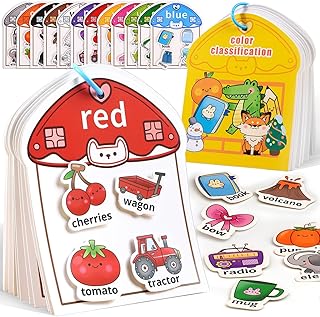

Walk into any toy store and the first thing that hits you – flashing lights, loud sounds, bright plastic, and characters from the latest cartoon. Now walk into a Montessori preschool classroom. Wooden shelves. Simple, calm tools. Children working quietly and independently.
That contrast isn’t accidental. It’s the entire philosophy made visible.
If you’re exploring Montessori preschool education for your child or simply trying to make smarter choices about learning materials at home – understanding what separates authentic Montessori materials from regular learning toys is the best place to start.
It Starts with Purpose, Not Entertainment
Regular toys often focus on quick entertainment. Montessori materials are designed to help children explore, concentrate, and develop real skills through independent play.
That single distinction drives every design decision.
Authentic Montessori educational materials are created with a specific developmental goal in mind. A wooden spindle box isn’t just a toy – it teaches the concept of zero. A pink tower isn’t a stack of blocks – it isolates one variable (size) so the child can internalize dimension through their hands, not through instruction.
In the Montessori classroom, every material serves a specific purpose aligned with psychological development stages. Regular toys, by contrast, are primarily designed around market appeal – what looks fun on a shelf, what grabs attention in an ad.
Natural Materials vs. Plastic: Why It Matters
One of the most visible differences in Montessori preschool learning environments is the material itself.
Wood, fabric, and other natural materials are the core of every Montessori toy. This ensures a sensory-rich experience and also connects children to the environment.
Wood has weight. It has temperature. It responds differently depending on how a child handles it. These subtle sensory signals matter deeply during early childhood education, when children are literally building their understanding of the physical world through touch and exploration.
Plastic, by contrast, offers uniform feedback regardless of how a child interacts with it and that’s a missed learning opportunity.
Self-Correcting Design: The Feature Most Parents Overlook
Here’s something most regular learning toys don’t offer: the ability for children to recognize and fix their own mistakes – without adult involvement.
Montessori toys are self-correcting, which means children can spot their own mistakes and solve problems independently. This matters because it builds genuine confidence.
This self-correction principle is a cornerstone of Montessori early childhood education. It removes the need for constant adult validation and builds what educators call intrinsic motivation – the drive to learn for its own sake.
Montessori Label Trap Parents Should Know About
Here’s an important reality: the Montessori name is not trademarked, so anyone can call anything Montessori. This means shelves (and search results) are full of “Montessori-inspired” products that share the aesthetic – wooden, minimalist, neutral-toned but none of the developmental intention.
Authentic Montessori materials follow very specific criteria:
- One concept at a time – isolating a single quality like color, weight, or size
- Sequential progression – each material prepares a child for the next
- Child-sized and accessible – placed on low shelves so children choose independently
- No batteries, no external rewards – the work itself is the reward
When shopping for materials to support your child’s Montessori preschool education, look beyond the wooden finish. Ask: Does this material teach one clear skill? Can my child use it independently? Does it correct itself?
Why This Difference Shapes the Whole Learning Journey
The gap between authentic Montessori educational materials and regular toys isn’t just about looks – it’s about what a child’s brain is doing during play.
Regular toys often result in passive entertainment, captivating children with their flashing lights and catchy sounds but requiring little in the way of active participation. Montessori toys emphasize active learning, encouraging children to explore, experiment, and understand the underlying concepts at their own pace.
In Montessori early childhood education, the material is the teacher. The adult steps back. And the child, given the right tools, does exactly what comes naturally – learns.
Frequently Asked Questions
Q1. Are authentic Montessori materials only for children attending Montessori schools? Not at all. Many families use Montessori educational materials at home to support independent play and skill-building during the toddler and preschool years. The principles – simplicity, natural materials, self-correction – work in any setting.
Q2. What age is best to start using Montessori preschool learning materials? Montessori materials exist for every developmental stage, beginning as early as infancy. For toddlers ages 1–3 and preschoolers ages 3–6, materials focused on practical life, sensorial exploration, and early math and language are especially impactful.
Q3. How can I tell if a toy is genuinely Montessori or just marketed that way? Ask three questions: Does it isolate one concept or skill? Can the child use it independently without adult instruction? Does it self-correct? If the answer to all three is yes, it aligns with authentic Montessori principles – regardless of the label on the box.
Q4. Are Montessori materials worth the higher price compared to regular learning toys? Quality Montessori educational materials are built from durable natural materials and often last for years – sometimes across multiple children. When you consider their developmental value and longevity, they tend to offer better long-term value than cheaper plastic alternatives.
Q5. Can Montessori materials be used alongside regular toys? Yes. Many parents and educators find that a thoughtful mix works well – Montessori materials for focused, independent skill-building, and open-ended traditional toys for imaginative group play. The key is intention: knowing what each material is meant to develop.