
Many parents ask, “What is the difference between Montessori and traditional education, and which approach helps children become more independent and confident learners?” If you’re researching a Montessori daycare near me, exploring a Montessori preschool classroom, or considering an elementary Montessori classroom, understanding these differences can help you make an informed decision.
While both educational approaches aim to support children’s growth, Montessori education takes a unique path. It focuses on hands-on learning, independence, self-motivation, and individualized development rather than standardized instruction and teacher-directed lessons.
What Is Traditional Education?
Traditional education typically follows a teacher-centered model where the instructor leads lessons, students follow a structured curriculum, and learning is often measured through tests and grades.
Common characteristics include:
- Teacher-led instruction
- Fixed schedules and lesson plans
- Same learning pace for all students
- Grades and assessments
- Limited hands-on learning opportunities
While traditional education can be effective for many learners, some children thrive in environments that offer greater independence and flexibility.
What Makes Montessori Education Different?
Montessori education is built around the belief that children learn best when they actively participate in their own learning process.
In a Montessori classroom, children choose activities based on their interests and developmental readiness. Teachers act as guides rather than lecturers, allowing students to explore concepts through experience and discovery.
This approach helps children become confident, self-directed learners while developing critical thinking and problem-solving skills.
1. Child-Led Learning vs Teacher-Led Instruction
One of the biggest differences between Montessori and traditional education is how learning is guided.
In traditional classrooms:
- Teachers determine what students learn and when.
- Lessons are typically delivered to the entire class at once.
- Students often move through subjects at the same pace.
In a Montessori preschool classroom, children have the freedom to choose activities within a structured environment. This allows them to follow their natural curiosity while developing independence and responsibility.
Because children are actively engaged, they often demonstrate higher levels of concentration and motivation.
2. Hands-On Learning Through Montessori Educational Materials
Montessori education emphasizes learning by doing.
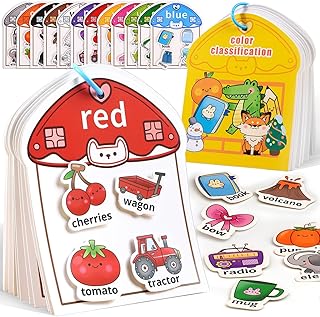
Children use specially designed Montessori educational materials that allow them to explore abstract concepts through hands-on experiences. These materials help children understand subjects such as math, language, science, and practical life skills in a meaningful way.
Unlike worksheets and memorization exercises commonly used in traditional education, authentic Montessori materials encourage active participation and discovery.
The materials are self-correcting, allowing children to identify and fix mistakes independently, which builds confidence and problem-solving abilities.
3. Mixed-Age Classrooms Encourage Collaboration
Traditional classrooms typically group students by age.
A Montessori environment often combines children from different age groups within the same classroom.
In a Montessori classroom, younger students learn by observing older peers, while older children reinforce their knowledge by mentoring younger classmates.
This structure promotes:
- Leadership skills
- Cooperation
- Empathy
- Social development
- Peer learning
These real-world interactions help children develop strong communication and interpersonal skills.
4. Independence and Responsibility Are Core Goals
Montessori education focuses heavily on helping children become independent.
In both the montessori preschool classroom and the elementary Montessori classroom, children are encouraged to:
- Make choices
- Manage their time
- Care for classroom materials
- Complete tasks independently
- Solve problems on their own
These experiences help children develop self-discipline and confidence from an early age.
Traditional education may offer opportunities for responsibility, but Montessori intentionally incorporates independence into every aspect of the learning environment.
5. Learning Pace Is Individualized
Every child learns differently.
Traditional classrooms often follow a fixed curriculum timeline, requiring all students to progress at roughly the same pace.
In an elementary Montessori classroom, children move forward when they demonstrate readiness and understanding. This personalized approach reduces frustration and allows students to build mastery before advancing.
As a result, children often develop a stronger foundation and a lifelong love of learning.
Why Parents Choose Montessori Education
Families searching for a montessori daycare near me or researching Montessori schools are often attracted to the benefits of individualized learning and holistic development.
Montessori education helps children develop:
- Independence
- Confidence
- Concentration
- Critical thinking
- Creativity
- Problem-solving skills
- Responsibility
Combined with carefully designed Montessori educational materials and authentic Montessori materials, this approach creates an environment where children can thrive academically, socially, and emotionally.
Conclusion
The primary difference between Montessori and traditional education lies in how children learn. Traditional classrooms are generally teacher-directed, while Montessori empowers children to take an active role in their education.
Through hands-on experiences, individualized instruction, and the use of authentic Montessori materials, a Montessori classroom nurtures independence, confidence, and a genuine love of learning. Whether you are exploring a montessori preschool classroom, an elementary Montessori classroom, or searching for a trusted montessori daycare near me, Montessori offers a unique educational approach that supports lifelong success.
FAQs
1. What is the main difference between Montessori and traditional education?
Montessori is child-centered and encourages self-directed learning, while traditional education typically follows a teacher-led instructional model.
2. What are Montessori educational materials?
Montessori educational materials are hands-on learning tools designed to help children explore concepts independently through active engagement.
3. Why are authentic Montessori materials important?
Authentic Montessori materials are specifically designed to support independent learning, self-correction, and deeper understanding of academic concepts.
4. How does a Montessori classroom promote independence?
Children are encouraged to make choices, manage responsibilities, solve problems, and complete tasks independently within a structured environment.
5. Is Montessori education suitable for elementary-age children?
Yes. An elementary Montessori classroom continues to foster critical thinking, collaboration, responsibility, and academic growth through individualized learning experiences.