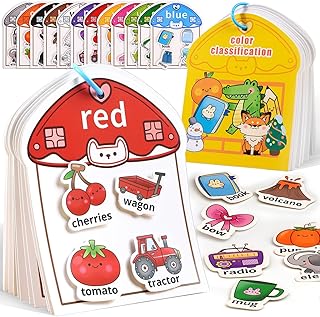

Choosing the right school is one of the most important decisions parents make during their child’s early years. If you’re considering Montessori, understanding how this educational approach works can help you decide whether it’s the right fit for your family. Montessori focuses on developing independence, confidence, creativity, and problem-solving skills through child-led exploration and purposeful learning experiences.
Unlike traditional classrooms, Montessori encourages children to learn at their own pace using carefully designed Montessori educational materials that make learning engaging and meaningful.
What Makes Montessori Different?
Montessori education is based on the belief that children learn best when they actively participate in their own learning. Instead of relying on lectures or worksheets, children interact with specially designed learning materials that help them understand concepts through experience.
Teachers serve as guides, observing each child’s progress and introducing new activities when the child is developmentally ready. This personalized approach allows children to build confidence while developing academic, social, and practical life skills.
What Happens Inside a Primary Montessori Classroom?
A primary Montessori classroom is thoughtfully organized to encourage independence and exploration. Learning areas typically include practical life, sensorial activities, language, mathematics, and cultural studies.
Children choose activities independently, work without frequent interruptions, and return materials after use. This structured freedom teaches responsibility, improves concentration, and helps children develop strong organizational habits from an early age.
Mixed-age classrooms also create opportunities for younger children to learn by observing older classmates while older students strengthen their understanding by mentoring younger peers.
Why Are Montessori Materials So Effective?
One of the defining features of Montessori education is the use of carefully designed Montessori educational materials. Each material teaches a specific concept while allowing children to identify and correct mistakes independently.
Many families also extend Montessori learning into the home by introducing hands-on learning toys for preschoolers that encourage creativity, fine motor development, and problem-solving. Activities using Montessori stacking toys and educational wooden blocks toddler sets help children strengthen hand-eye coordination, spatial awareness, and early mathematical thinking through open-ended play.
These materials promote active learning instead of passive entertainment, keeping children engaged while supporting healthy cognitive development.
How to Choose the Right Montessori School
If you’re comparing Montessori schools, don’t focus only on location or tuition costs. Instead, visit the classroom and observe how children interact with teachers and learning materials.
A quality Montessori program should include certified Montessori educators, authentic Montessori materials, uninterrupted work periods, and a calm, organized learning environment. Parents searching online for local Montessori schools should also ask about classroom ratios, daily schedules, and opportunities for parent involvement before making a decision.
Final Thoughts
Montessori education provides much more than academic preparation. It helps children become independent thinkers, confident learners, and responsible individuals through hands-on experiences and meaningful exploration.
Whether your child is beginning preschool or preparing for kindergarten, understanding the learning environment, classroom structure, and educational philosophy will help you make an informed choice. With the right Montessori educational materials, engaging activities, and a supportive primary Montessori classroom, children develop skills that benefit them throughout their educational journey.
FAQs
1. What age is best to enroll a child in Montessori?
Most children begin Montessori between 2½ and 6 years old, although many schools also offer infant, toddler, and elementary programs.
2. What are Montessori educational materials?
Montessori educational materials are hands-on learning tools designed to help children understand concepts independently through exploration and repetition.
3. Are Montessori stacking toys good for toddlers?
Yes. Montessori stacking toys support fine motor skills, problem-solving, hand-eye coordination, and early cognitive development while encouraging independent play.
4. What should I look for in a primary Montessori classroom?
Look for certified Montessori teachers, authentic learning materials, mixed-age classrooms, uninterrupted work periods, and an organized, child-centered environment.
5. Can Montessori learning continue at home?
Absolutely. Parents can support classroom learning by providing educational wooden blocks, toddler sets, practical life activities, and other hands-on learning experiences that encourage independence and creativity.