
Choosing the right preschool can feel like a big decision for parents. You may wonder whether your child is old enough, independent enough, or ready to adjust to a Montessori classroom. The good news is that Montessori is designed to support children at different stages of development rather than requiring every child to reach the same milestones first.
Montessori early childhood education encourages independence, hands-on learning, concentration, practical skills, and respect for each child’s individual pace. If you are considering Montessori preschool for your child, these 10 signs can help you understand whether the environment may be a good fit.
1. Your Child Shows Curiosity About Everyday Activities
Does your child want to help prepare food, clean up toys, pour water, or organize household items? This natural curiosity is a positive sign. Montessori classrooms provide purposeful activities that allow children to participate in meaningful everyday tasks.
2. Your Child Wants to Do Things Independently
A child who frequently says, “I can do it myself,” may enjoy Montessori. Children are encouraged to complete age-appropriate tasks independently, from putting away materials to choosing an activity and caring for their classroom environment.
3. Your Child Enjoys Hands-On Learning
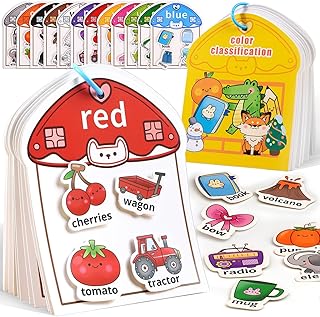
Some children learn best by touching, moving, building, sorting, and experimenting. Activities using learning materials for kids can turn abstract concepts into experiences children can understand through their senses.
For example, educational wooden blocks for toddlers can support early spatial awareness, coordination, problem-solving, and creative thinking while allowing children to experiment at their own pace.
4. Your Child Can Spend Some Time Focusing on an Activity
Your child does not need to have a long attention span before starting Montessori. However, if they occasionally become deeply involved in an activity they enjoy, that is a good starting point.
Montessori environments are intentionally designed to encourage concentration by offering purposeful activities and minimizing unnecessary distractions.
5. Your Child Likes Choosing Between Activities
Montessori classrooms typically give children opportunities to make appropriate choices within a prepared environment. A child who enjoys choosing between puzzles, practical activities, books, or creative work may respond positively to this approach.
6. Your Child Enjoys Puzzles and Problem-Solving
If your child likes figuring out how pieces fit together, matching objects, or completing simple challenges, Montessori materials may naturally appeal to them.
For example, wooden puzzle maps for toddlers can introduce geography while developing fine motor coordination, visual discrimination, and problem-solving skills.
7. Your Child Is Beginning to Follow Simple Routines
Montessori classrooms have predictable routines and expectations. A child who is beginning to understand instructions such as putting toys away, washing hands, or waiting for a turn may be ready to participate in a structured Montessori environment.
8. Your Child Shows Interest in Helping Others
Montessori is not only about academic learning. Children also develop social awareness, cooperation, responsibility, and respect for others. An interest in helping parents, siblings, teachers, or classmates can be a valuable foundation.
9. Your Child Benefits From Learning at Their Own Pace
Every child develops differently. Montessori can be particularly suitable for children who benefit from repeating an activity until they feel confident rather than being rushed through a fixed sequence.
This individualized approach is one reason parents consider Montessori early childhood education when looking for a child-centered preschool experience.
10. Your Family Values Independence and Practical Skills
Finally, consider your family’s educational priorities. If you want your child to develop independence, concentration, responsibility, coordination, and practical life skills alongside early academic concepts, Montessori may be worth considering.
How Do You Know If Montessori Is Right for Your Child?
There is no single checklist that determines Montessori readiness. A child does not need to read, write, sit quietly for long periods, or complete every task independently before joining a Montessori program.
The most important factors are your child’s developmental needs, temperament, interests, and the quality of the Montessori environment. Parents should also visit prospective schools, observe classrooms, ask about teacher training, and understand how the program supports different developmental stages.
For families researching Montessori preschool options near me, comparing classroom environments and educational philosophies can help identify a program that matches their child’s needs.
Start With Your Child’s Natural Development
Being “ready” for Montessori does not mean being perfectly independent or academically advanced. Montessori is designed to help children become more independent through purposeful experiences, carefully selected materials, and supportive guidance.
If your child is curious, enjoys hands-on activities, wants to do things independently, and responds well to meaningful routines, these may be encouraging signs that Montessori early childhood education could be a strong fit.
FAQs
1. What age is best to start Montessori?
Many Montessori programs begin serving children during the toddler years, while others offer programs for infants, preschoolers, and elementary-age children. The appropriate starting age depends on the child’s development and the specific program.
2. Does my child need to be independent before starting Montessori?
No. Montessori helps children develop independence gradually. Teachers provide guidance and age-appropriate activities that allow children to practice skills at their own pace.
3. What materials do toddlers use in Montessori?
Toddlers may work with practical life activities, sensory materials, puzzles, sorting activities, building materials, and other hands-on learning materials for kids designed for their developmental stage.
4. Is Montessori suitable for shy or active children?
It can be. Montessori environments provide opportunities for individual work, movement, concentration, and social interaction. Parents should evaluate whether a particular school’s classroom structure matches their child’s temperament.
5. How can parents tell if a Montessori school is high quality?
Visit the classroom, observe how teachers interact with children, ask about Montessori training, examine the available materials, and learn how the school supports independence, concentration, social development, and individual progress.