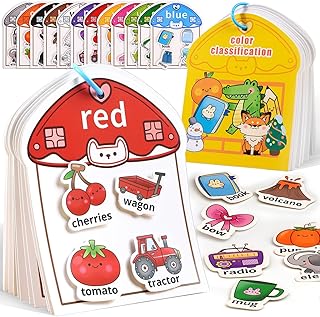

Most parents focus on reading, numbers, and creativity when choosing an early learning program. But here’s what research keeps confirming: a toddler’s emotional intelligence – their ability to recognize, name, and manage feelings – predicts long-term success more reliably than any academic skill. Montessori preschool education has been quietly getting this right for over a century.
If you’re exploring Montessori preschool learning kits for your child, understanding the emotional foundations built into the method will help you see why it’s so different – and so effective.
What Is Emotional Intelligence and Why Does It Matter for Toddlers?
Emotional intelligence (EQ) is the ability to identify, understand, and manage one’s emotions while also recognizing the emotions of others. For toddlers between ages 1 and 5, EQ development centers on four areas:
- Self-awareness – recognizing and naming their own feelings
- Self-regulation – managing emotional responses in healthy ways
- Empathy – understanding what others might feel
- Social skills – navigating relationships, sharing, and conflict peacefully
Children who develop strong EQ in early childhood tend to have better peer relationships, perform better academically, and cope with challenges more resiliently. And this is exactly where authentic Montessori materials and methods shine.
How Montessori Preschool Education Builds Emotional Intelligence
1. Freedom of Choice Builds Self-Awareness
In a Montessori preschool learning environment, children select their own activities from a carefully designed range of Montessori educational materials. This autonomy isn’t just about independence – it teaches children to listen to their inner world. When a toddler chooses to work with a puzzle over a painting, they are learning to notice their interests, frustrations, and satisfaction. Over time, this builds deep self-awareness.
2. Authentic Montessori Materials Teach Patience and Regulation
Authentic Montessori materials – like the Pink Tower, Moveable Alphabet, or Practical Life tools – are hands-on and self-correcting. When a child stacks cylinders incorrectly, the materials reveal the mistake naturally, without a teacher stepping in to say “wrong.” This teaches toddlers to manage frustration, try again, and celebrate small wins on their own terms. That internal regulation is the cornerstone of emotional intelligence.
3. Grace and Courtesy Lessons Build Empathy
A hallmark of Montessori preschool education is the “grace and courtesy” curriculum woven into daily routines. Children practice how to greet a friend, ask for help politely, wait for their turn, and express feelings with words instead of actions. A toddler who learns to say “I feel frustrated because she took my toy” instead of throwing a tantrum is developing a sophisticated emotional vocabulary – a skill that lasts a lifetime.
4. Mixed-Age Classrooms Develop Empathy Naturally
Montessori classrooms typically group children across a 3-year age span. Younger toddlers observe older children modeling calm, focused behavior. Older children mentor younger ones – learning patience and compassion in the process. This natural social dynamic builds empathy far more authentically than any worksheet or lesson plan ever could.
5. Calm Environments Reduce Emotional Overwhelm
The physical space matters enormously in early childhood education. Montessori classrooms are intentionally calm – low shelves, natural light, minimal clutter, soft colors. This environment reduces sensory overload and gives toddlers the mental space to tune into their emotions rather than react impulsively. A settled environment raises emotionally settled children.
What Parents Can Do at Home to Reinforce This Learning
Montessori emotional development doesn’t stop at the classroom door. Parents can reinforce EQ at home by:
- Using emotion words daily: “You look disappointed. Is that how you feel?”
- Offering limited choices instead of open-ended ones: “Do you want to read or draw?”
- Introducing Montessori educational materials at home – simple practical life tools like pouring, sorting, or buttoning
- Modeling emotional regulation yourself – narrating your own feelings calmly
The Lifelong ROI of Emotional Intelligence
Choosing Montessori preschool education isn’t just about giving your child a head start academically. It’s about investing in who they become – emotionally aware, self-regulated, empathetic individuals who navigate the world with confidence and compassion.
The combination of authentic Montessori materials, freedom within structure, and a carefully designed social environment makes this method uniquely powerful for toddler emotional development. When a child learns to manage big feelings at age three, they carry that skill into every friendship, classroom, and career that follows.
Explore our Montessori early childhood education resources at montessori early learning curriculums to find authentic materials and curriculum guides tailored for toddlers.
Frequently Asked Questions (FAQs)
Q1: At what age should my toddler start Montessori preschool education?
Most Montessori programs accept children from 18 months to 3 years for toddler programs, and from age 3 for the primary (preschool) level. The earlier a child is introduced to Montessori preschool learning, the more they benefit from the method’s structured yet child-led approach to emotional and cognitive development.
Q2: What are authentic Montessori materials and why are they important for emotional development?
Authentic Montessori materials are purpose-built, self-correcting tools made from natural materials like wood. Unlike plastic toys that entertain passively, these materials require focus, patience, and problem-solving. When toddlers work through challenges independently – without adult intervention – they build frustration tolerance and emotional self-regulation, two core pillars of emotional intelligence.
Q3: How does Montessori early childhood education differ from traditional preschool in building EQ?
Traditional preschools often schedule group activities and use extrinsic rewards (stickers, praise) to manage behavior. Montessori early childhood education instead builds intrinsic motivation through choice, self-paced work, and grace and courtesy lessons. Children learn to regulate emotions because the environment naturally supports it – not because they’re told to behave. This creates more durable emotional skills.
Q4: Can I use Montessori educational materials at home to support emotional learning?
Absolutely. Simple Montessori educational materials like child-sized kitchen tools, sorting trays, or pouring activities are excellent for home use. Pair these with emotion-naming conversations and limited-choice decision-making to reinforce what your child experiences at preschool. Consistency between home and school accelerates emotional growth significantly.
Q5: Is Montessori good for sensitive or highly emotional toddlers?
Yes – in fact, Montessori is often considered especially beneficial for emotionally sensitive toddlers. The calm environment, predictable routines, and freedom to work at their own pace reduce the overstimulation that often triggers emotional outbursts. Teachers are trained to observe and guide without overwhelming children, making the Montessori classroom a particularly safe emotional space for highly sensitive learners.